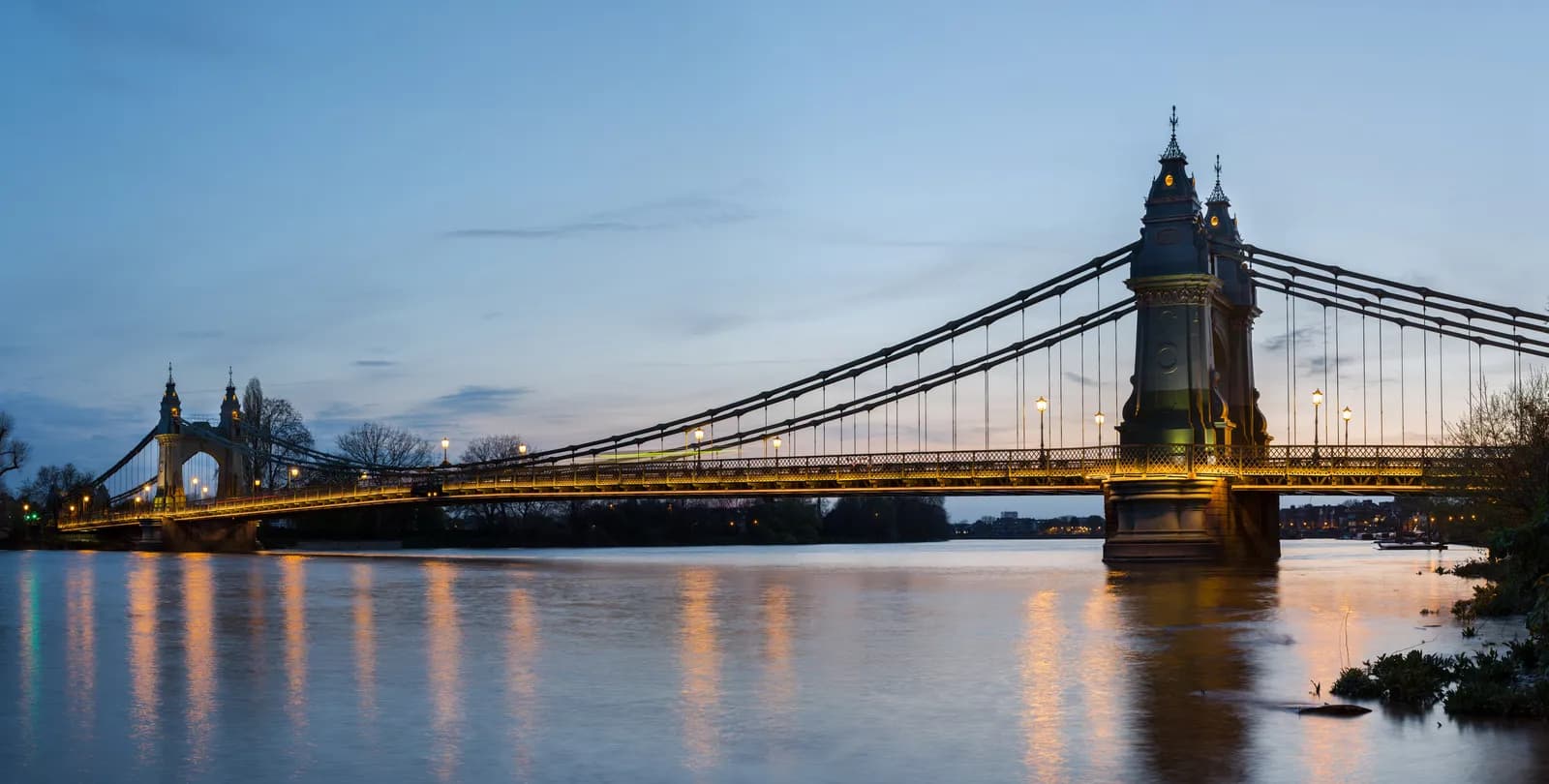
Hammersmith Bridge has been closed to motor vehicles since April 2019, when critical safety issues forced Transport for London to restrict access. The closure has reshaped daily life for thousands of residents on both sides of the Thames.
Why the Bridge Closed
Engineers discovered cracks in the bridge's cast iron pedestals during a routine inspection. The 135-year-old structure, designed by Sir Joseph Bazalgette and opened in 1887, was deemed unsafe to carry the weight of vehicles. Pedestrians and cyclists have retained limited access, though the crossing has operated under weight restrictions and occasional closures for safety monitoring and stabilisation works.
The Repair Challenge
Full restoration of Hammersmith Bridge is estimated to cost between £200 million and £250 million. The figure reflects the complexity of repairing a Grade II* listed structure while maintaining its historic character. Funding responsibility has been a point of negotiation between Hammersmith & Fulham Council, Richmond Council, Transport for London, and central government.
A task force established to oversee the restoration has released periodic progress reports on stabilisation works. These works are designed to prevent further deterioration while a permanent funding solution is sought.
The Ferry Alternative
In 2021, a temporary ferry service began operating between Hammersmith and Barnes. The service provides a river crossing for pedestrians and cyclists, though it runs limited hours and has capacity constraints. The ferry represents the first regular river crossing at this stretch of the Thames since the days when watermen rowed passengers across.
Impact on Local Travel
The closure has significantly altered traffic patterns in west London. Drivers who previously used Hammersmith Bridge as a direct route between Barnes, Mortlake, and central Hammersmith must now use Chiswick Bridge to the west or Barnes Bridge to the east. Both alternatives experience increased congestion, particularly during peak hours.
Local bus routes have been rerouted. The 209, 283, and 419 services, which previously crossed the bridge, now terminate on one side or the other. Residents crossing on foot can walk the bridge and continue their journey, but the lack of vehicle access affects those with mobility issues or heavy loads.
What Happens Next
The timeline for full reopening remains uncertain. Stabilisation works continue, but the substantial funding required for complete restoration has not yet been secured. Engineers have proposed various repair methods, ranging from full restoration to a hybrid approach that would preserve the bridge's appearance while upgrading its structural capacity.
Residents can monitor progress through updates published by Hammersmith & Fulham Council and Transport for London. Both organisations maintain dedicated pages on their websites for bridge-related announcements.
Walking and Cycling Access
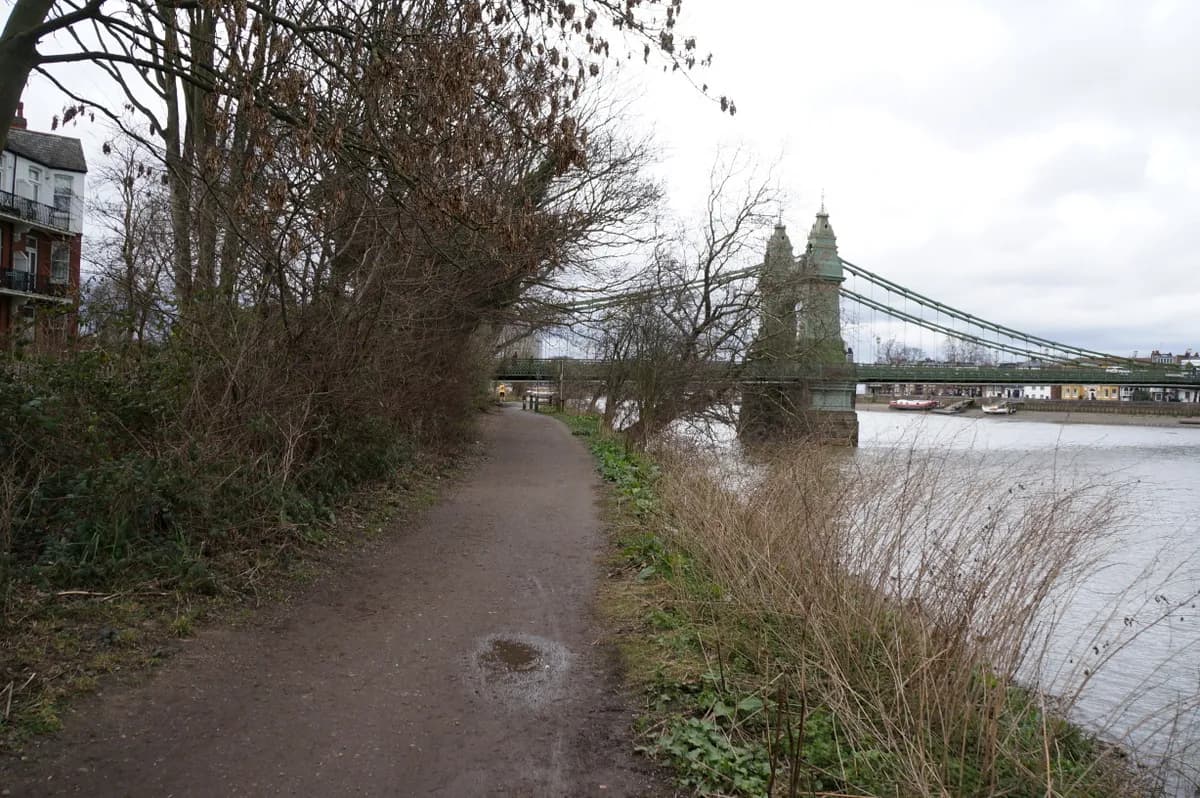
Despite the vehicle closure, the bridge remains an important pedestrian and cycle route. The Thames Path passes beneath the bridge on the Hammersmith side, offering riverside walking routes in both directions. Cyclists can still cross, though they should check for temporary closures related to ongoing engineering works.
The bridge offers one of the finest views of the Thames in west London. Its distinctive green and gold paintwork, ornate lamps, and decorative ironwork make it a landmark worth visiting even for those with no need to cross.