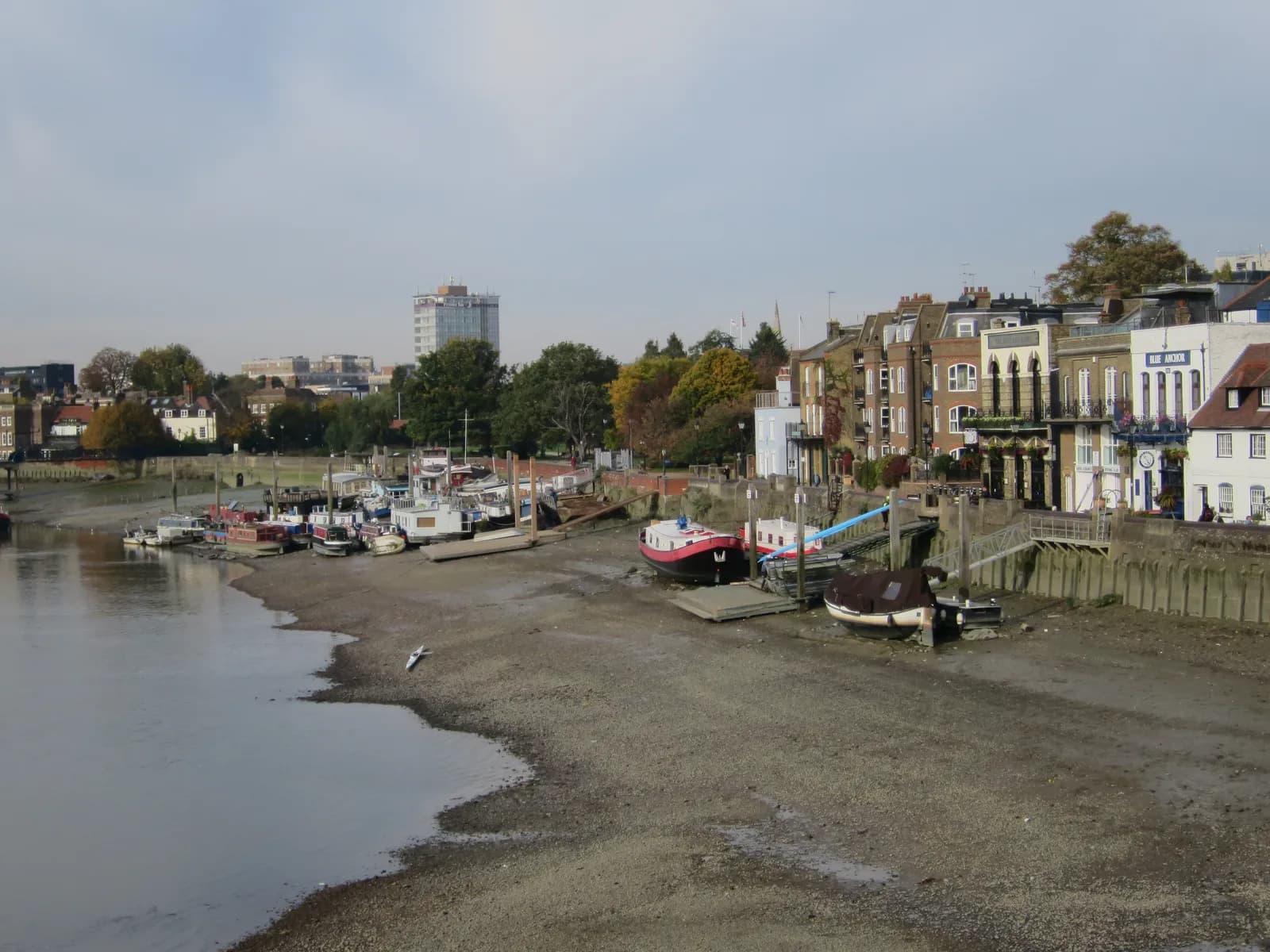
Hammersmith sits at the heart of West London, where the curve of the Thames meets some of the capital's busiest thoroughfares. This corner of the London Borough of Hammersmith and Fulham blends riverside character with urban energy, offering residents and visitors a distinct mix of history, culture, and contemporary London life.
A Place Shaped by the River
The Thames defines Hammersmith as much as any road or building. The area's riverside location shaped its development from a village known for boat-building and brewing into the bustling urban centre it is today. Hammersmith Bridge, with its distinctive green suspension structure, remains one of the area's most recognisable landmarks. The bridge has faced periodic closures for structural repairs in recent years, reflecting the ongoing challenge of maintaining Victorian infrastructure for modern demands.
Transport Connections
Hammersmith's transport links make it one of the better-connected parts of outer central London. The area sits at the convergence of four Underground lines: the District and Piccadilly lines serve Hammersmith station on the western side, while the Hammersmith & City and Circle lines operate from a separate station to the north. This configuration creates a major transport interchange that funnels commuters toward central London and provides connections to Heathrow via the Piccadilly line.
The area also hosts a substantial bus station adjacent to the shopping centre, serving routes across West London and beyond. For drivers, the A4 Great West Road cuts through Hammersmith, creating one of London's busier arterial routes and contributing to the area's reputation for heavy traffic at peak hours.
The Broadway and Beyond
Hammersmith Broadway forms the commercial heart of the area. The shopping centre and surrounding streets provide the everyday retail that serves a densely populated residential catchment. King Street extends south from the Broadway toward Fulham, lined with shops, restaurants, and pubs that cater to local tastes rather than tourist markets.
The area's housing stock reflects its varied history. Grand Victorian terraces sit alongside post-war estates and more recent developments. This architectural mixture accommodates a diverse population, from young professionals drawn by the transport links to long-established families who have witnessed decades of change.
Culture and Entertainment
Hammersmith maintains a cultural profile that punches above its weight. The Eventim Apollo, formerly the Hammersmith Odeon, has hosted generations of musicians and comedians since its art deco doors opened in 1932. The venue's history includes legendary performances by artists ranging from The Beatles to David Bowie, and it continues to draw major acts today.
The Lyric Theatre on King Street offers a different cultural flavour, presenting drama and new writing with a reputation for nurturing emerging talent. Riverside Studios, located on the Thames near the bridge, provides cinema, theatre, and gallery spaces with views across the river toward Barnes.
The Character of the Area
What distinguishes Hammersmith from neighbouring districts is its sense of being a genuine urban centre rather than a residential suburb. The concentration of offices, particularly along the A4 corridor, brings daytime workers who mix with residents in the cafes and pubs. The area's pubs deserve particular mention; establishments like The Dove, which claims origins dating to the 17th century, serve as reminders of the riverside drinking culture that once defined this stretch of the Thames.
The Thames Path provides respite from urban density, offering walkers and cyclists a route along the water's edge toward Chiswick in one direction and Putney in the other. The path passes through Furnival Gardens and riverside parks that give residents green space within easy reach of the Broadway's bustle.
Looking Forward
Hammersmith faces the same pressures as much of London: housing costs, transport capacity, and the balance between preserving character and enabling development. The area's riverside location ensures its continued desirability, while its transport connections make it a practical choice for commuters. These competing factors shape the ongoing evolution of a district that has been reinventing itself for centuries.
This magazine aims to document that evolution, covering the stories that matter to the people who live and work here. Whether you have called Hammersmith home for decades or arrived last week, there is always more to discover in this corner of West London.